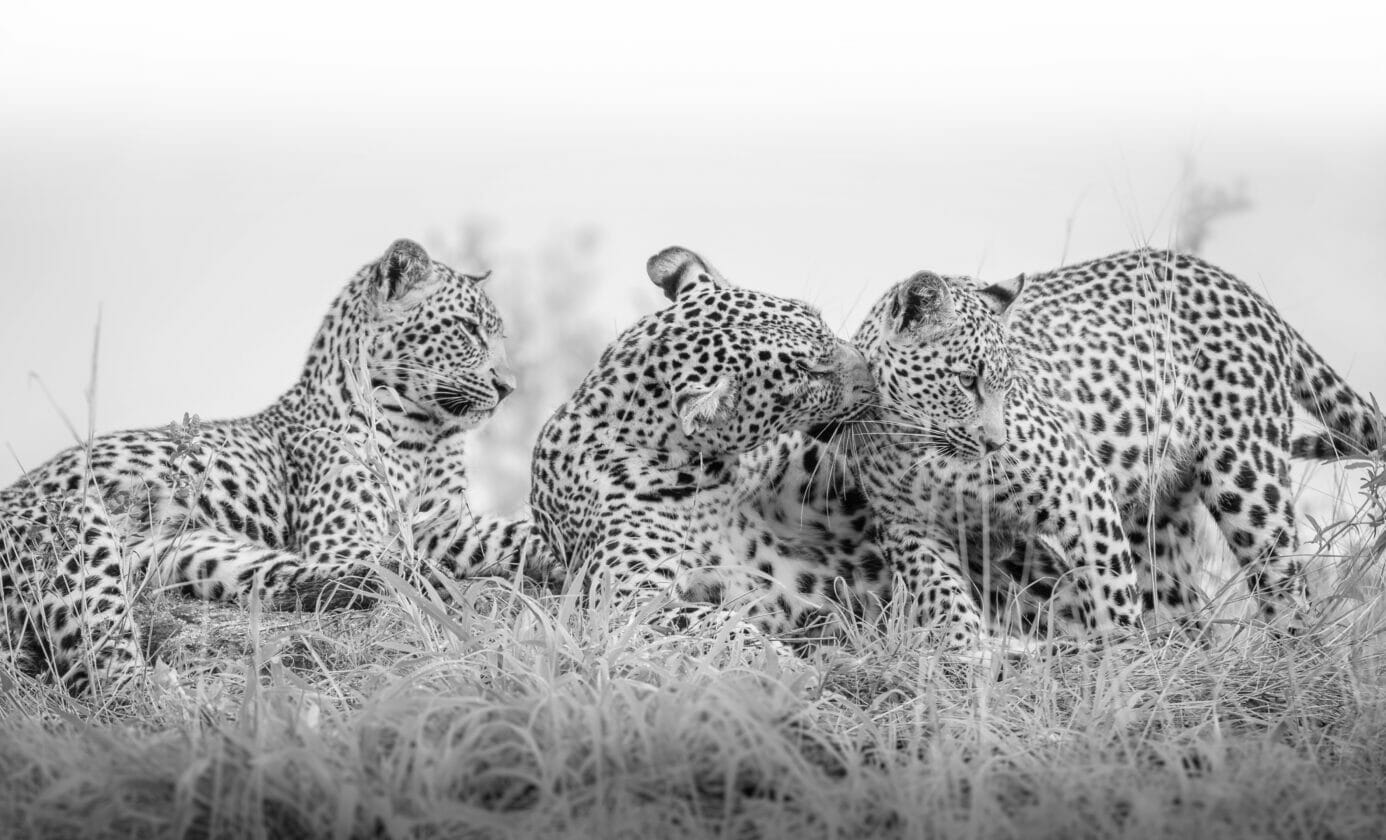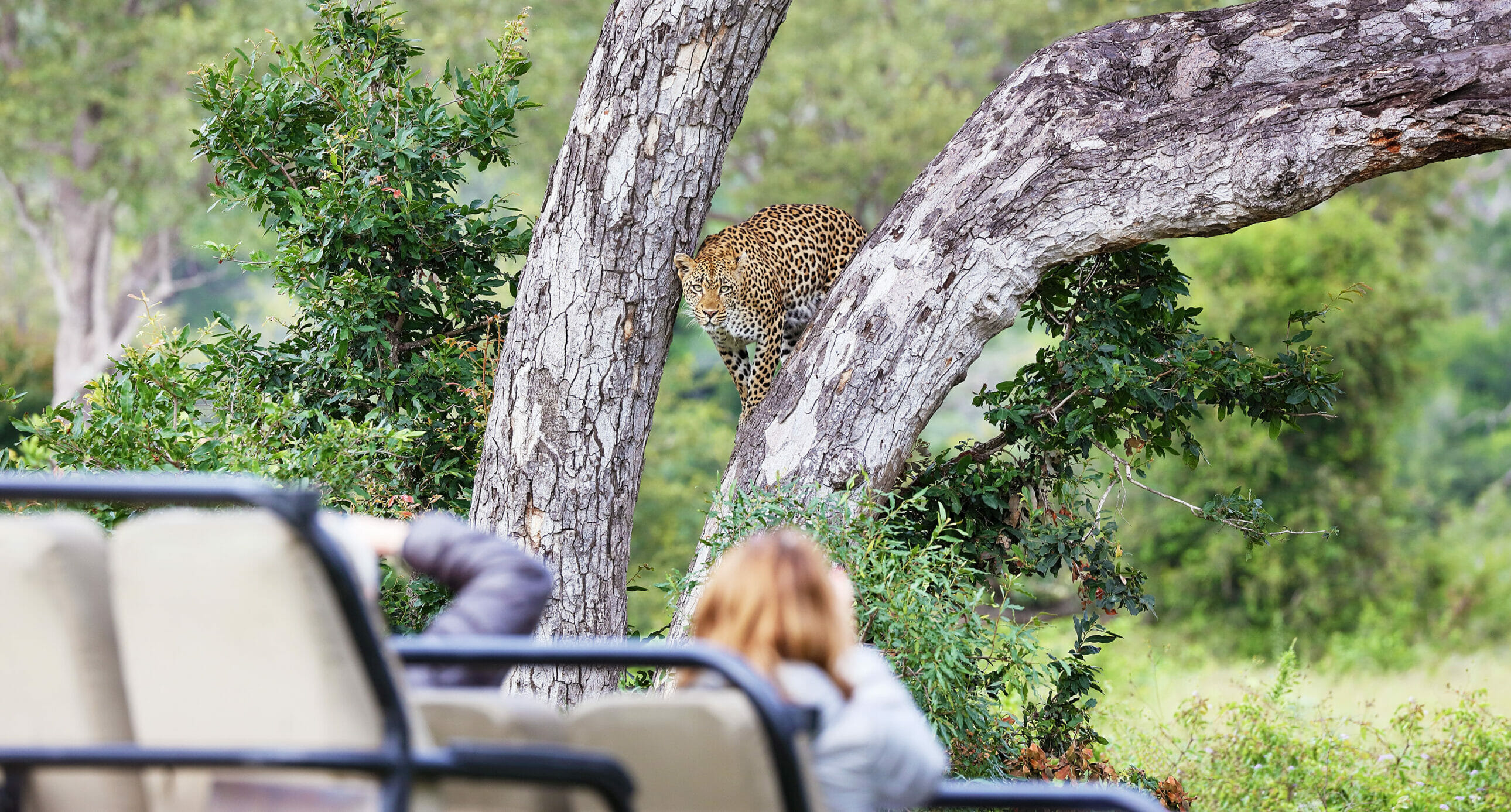


This area consists of many private reserves and lodges, allowing the opportunity to off road, go on night drives, experience a walking safaris and take exceptional wildlife photography. Sabi Sands has the largest density of leopards yet surveyed in Africa – making it undoubtedly one of the most iconic leopard reserves.
This reserve is situated in the southwestern corner of Kruger National Park, and proudly allows animal movement in and out of Kruger. The many private lodges situated in this reserve are known for their luxury and exceptional service, making it one of the most sought after intimate destinations in South Africa particularly for families, honeymooners and adventurists.
There are daily flights between Johannesburg Airport and many of the private lodges in the Sabi Sands (many of which have their own airstrips). Flying is one of the easiest and timely ways to travel around this reserve, with a 90 minute flight from Johannesburg. Due to the size of these flights luggage there is a limit to the size and weight of your luggage.
Another option would be to fly to Kruger Mpumalanga Airport, Hoedspruit or Skukuza Airport, and organise a road transfer to your lodge of choice. In this case the flights from Johannesburg take one hour, Durban an hour and a half, and Cape Town is just over two hours away. For those wanting to take more time to explore South Africa, self driving to your lodge in the Sabi Sand Reserve is an option. Connect with us to find out which option would most suit your trip.
Every season has something new to offer and it depends entirely on your preference as to when the best time to visit the reserve will be.
The height of summer is considered to be in November/December, where weather is humid and hot with the chance of afternoon showers. This is the time when many animals are born and so one could expect to see young impala, warthog, birds and many more which are vulnerable to predators.
The months of January through to March are hot and usually drier than the months prior. This warmer weather is avoided by going on early morning and late evening drives. This is a fantastic time to view migratory birds.
April marks the month whereby the vegetation begins to change from lush green to browns and yellows of autumn. The vegetation also begins to thin out making it an easier time to spot wildlife.
Winter occurs during the months of May and June, with temperatures dropping and visibility increasing as vegetation becomes even sparser.
The months leading up to spring in September are considered very dry and cold during the night. Wildlife viewing and photography is wonderful during this time with many animals found around waterholes.
September and October mark the beginning of spring and the height of the dry season. Hot dry winds occur, with high amounts of wildlife spending time at waterholes and rivers. The first rains may be seen towards the end of October as fresh shoots begin to show themselves.
For a more in depth view of the difference in the months in the Sabi Sand Reserve click here.
- Highest density of leopards in Africa
- Home to the Big 5
- Many luxurious and private lodges
- Londolozi Game Reserve
- Singita
- Lion Sands
- Mala Mala
- Ulusaba Game Reserve