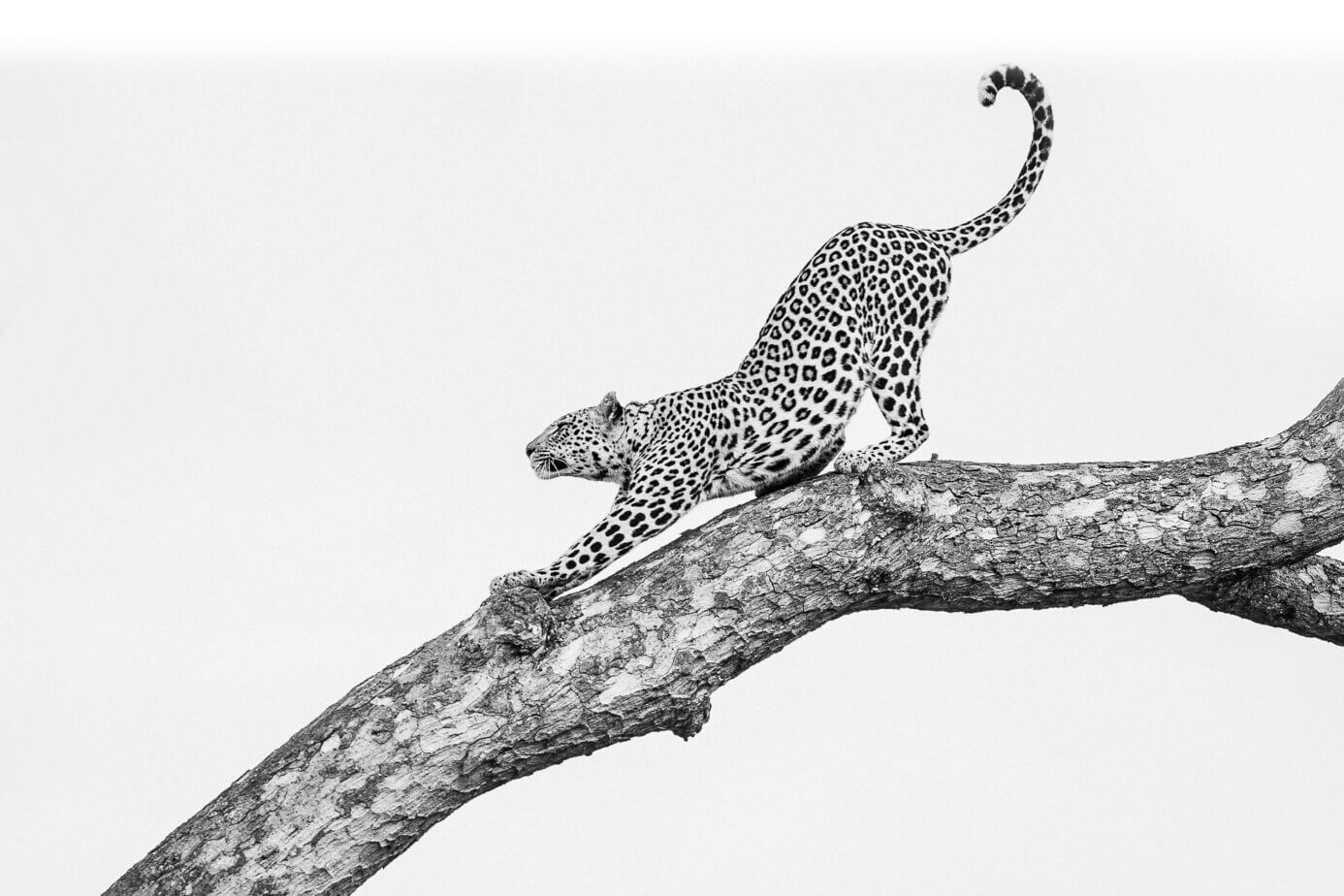
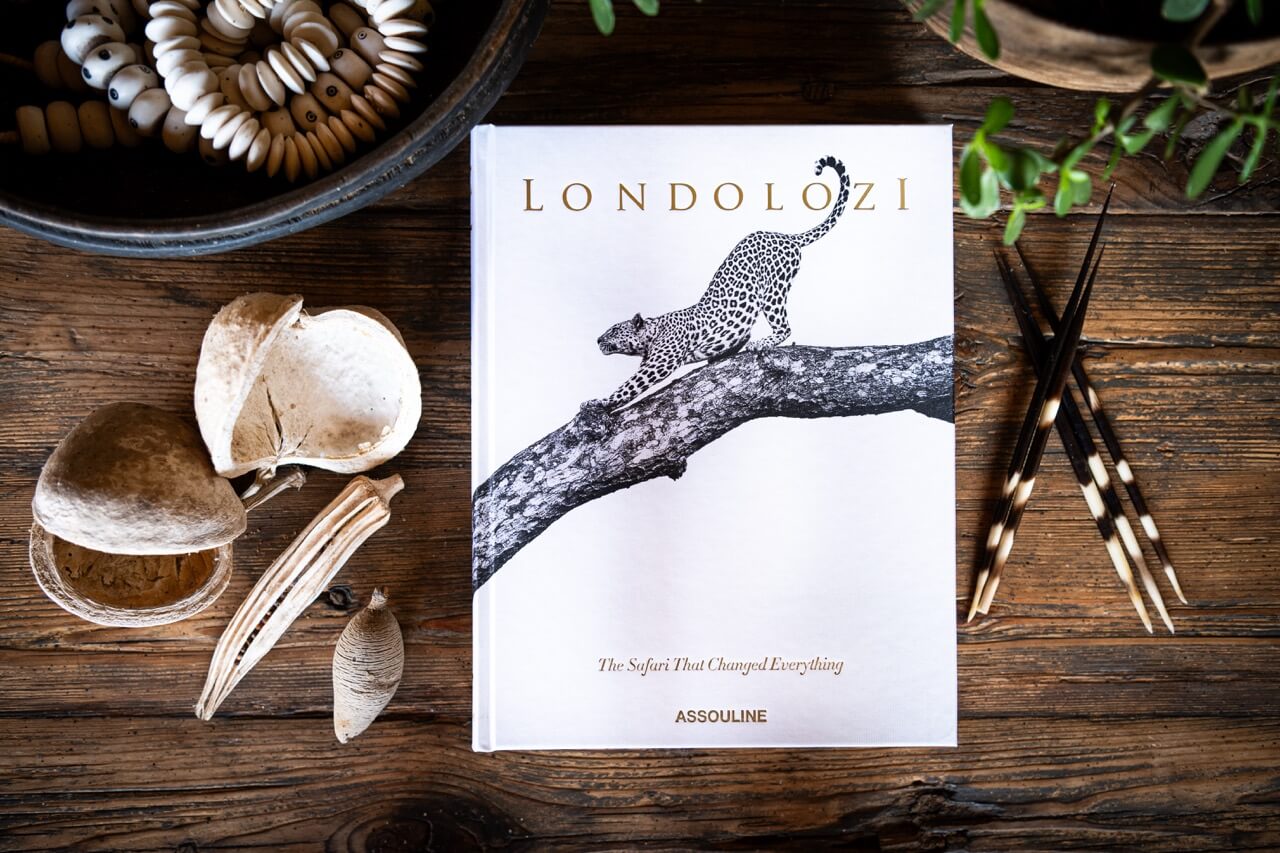
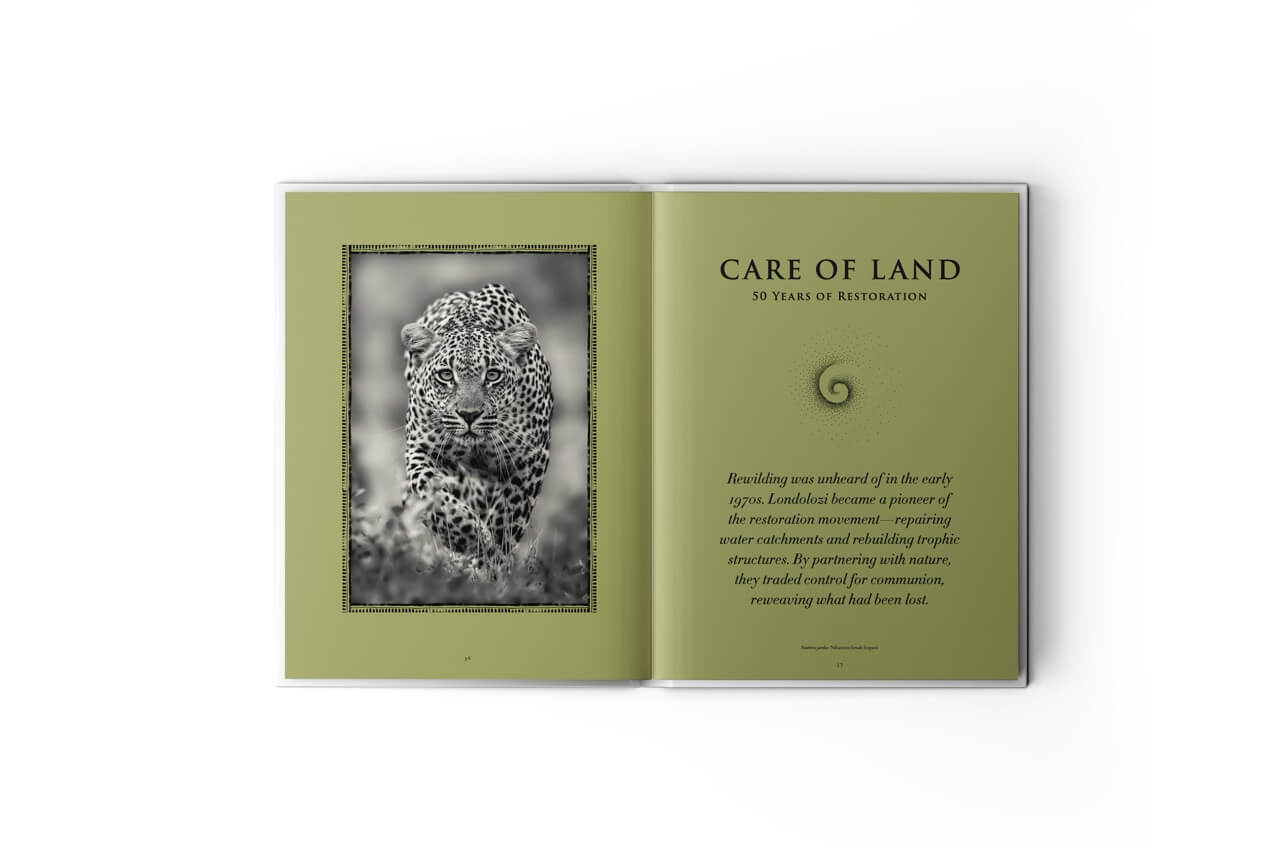
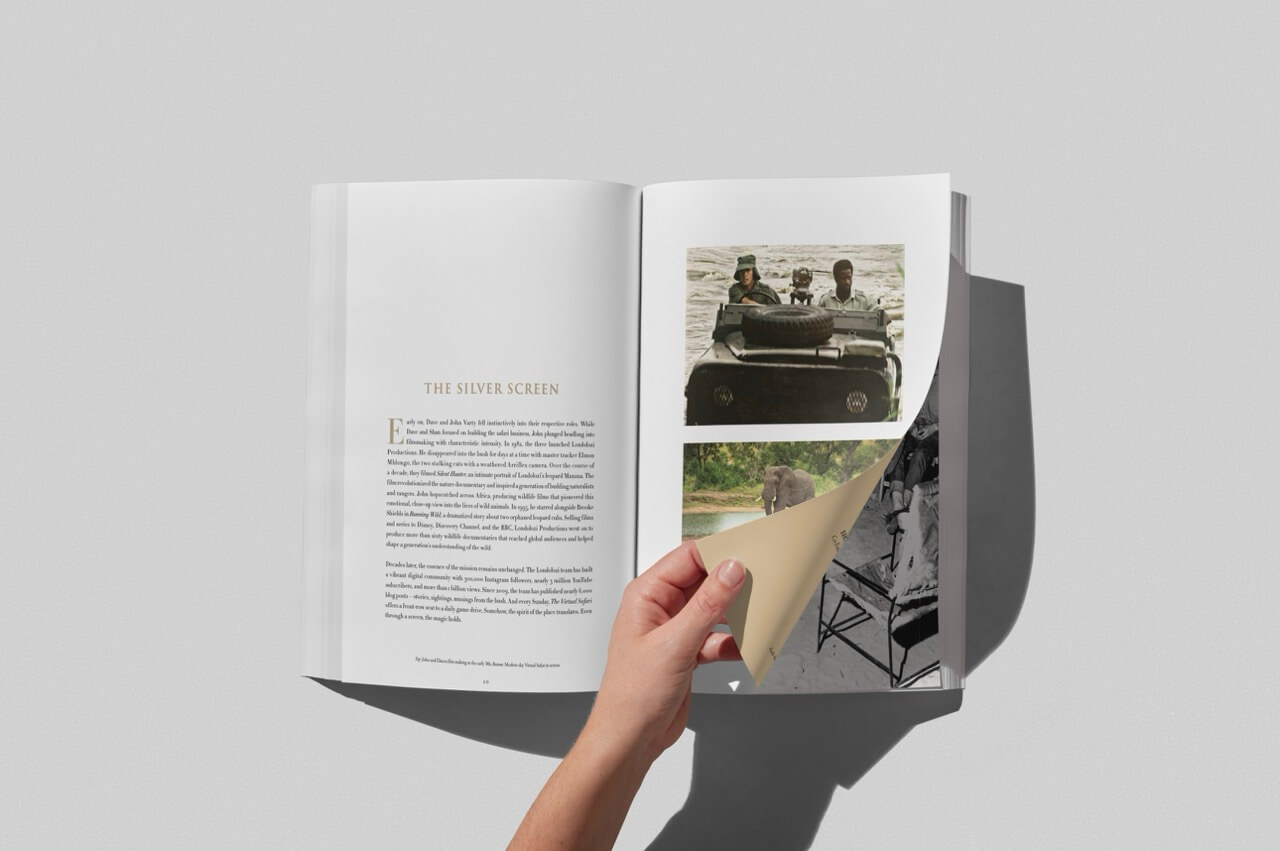
Bound in white, black, and gold, Londolozi: The Safari That Changed Everything is as much an object of art as it is a story. Its palette — luminous and enduring — was designed to feel at home in every interior, from the minimalist to the maximalist, the city apartment to the countryside retreat.
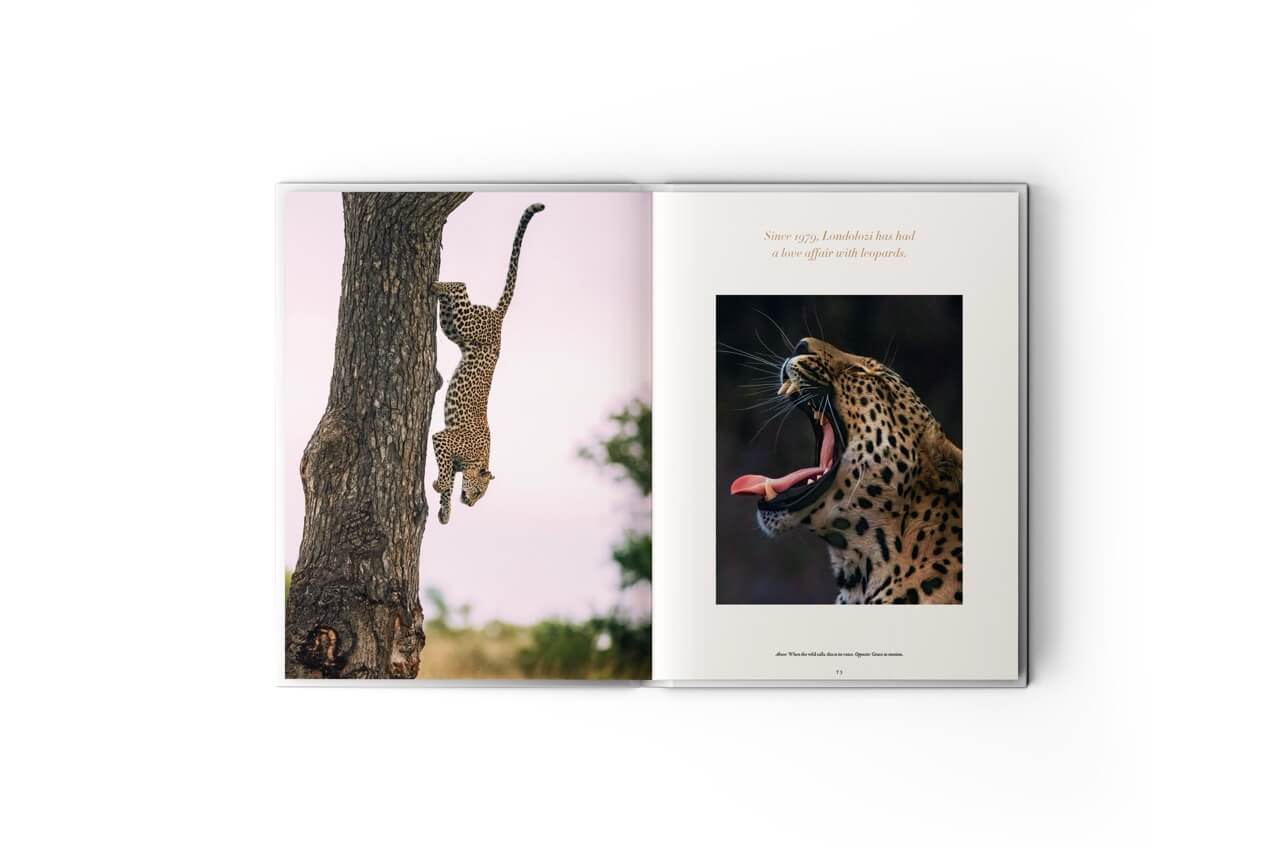
Within its pages, the raw magnificence of the African bush unfolds in extraordinary photography: leopards slipping through the shadows of ancient ebony trees, elephants moving in golden light along the Sand River, and the quiet, extraordinary stillness of a landscape unchanged for millennia.
Alongside the imagery lies the soul of Londolozi — its history, its people, its philosophy of conservation, and the Varty family’s century-long covenant with the wild.
Some objects change a room. Others change a feeling. Set on a coffee table, a bookshelf, or displayed on a stand, its white and gold cover whispers of open skies and untamed beauty — a quiet presence that brings the spirit of Londolozi into any space.
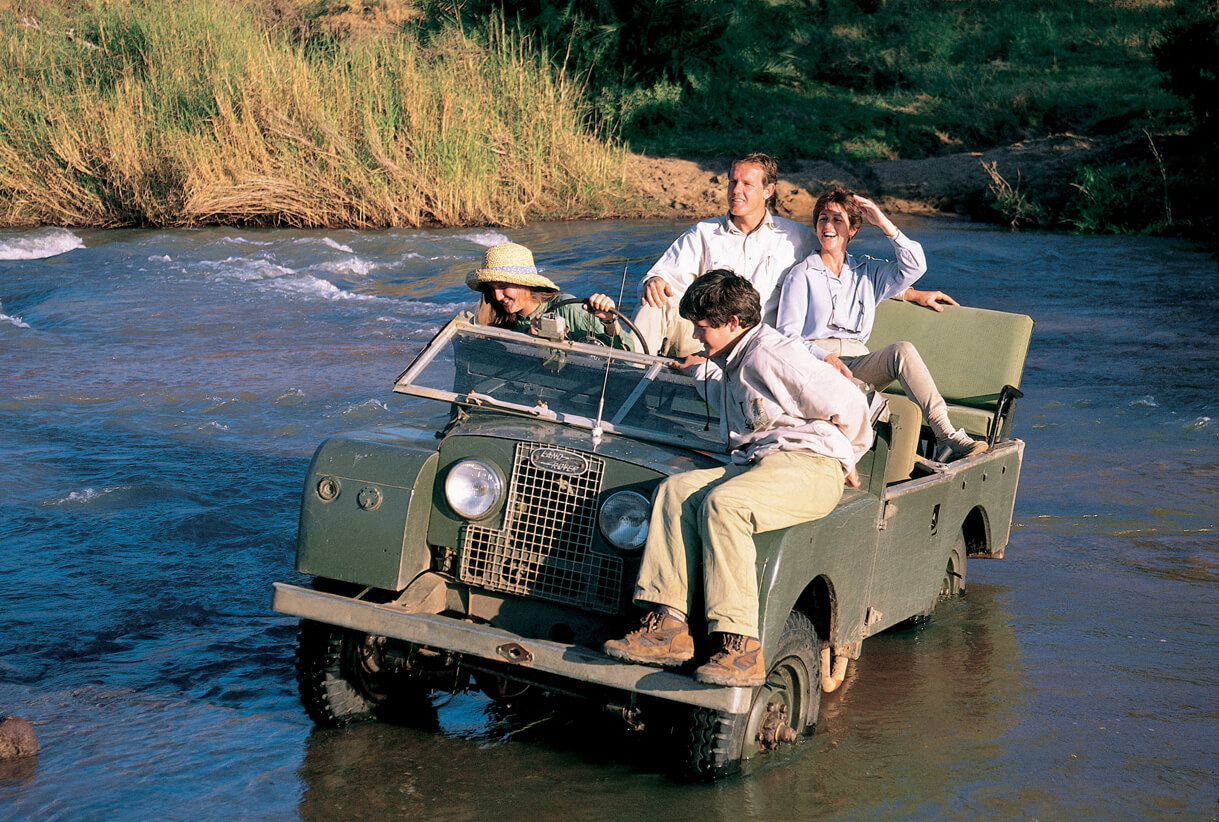
For those who have walked Londolozi’s paths, laughed on the back of a land rover, watched a leopard melt into the bush, listened to folklore stories around our 100 year old fire, or felt the ancient stillness of an African sunrise, this book is a bridge back. For those who have yet to make the journey, it is an invitation.
Both began with a family around a table, believing in something most people couldn’t yet see.
When Assouline approached Londolozi to mark the centennial year, it was a recognition — not a transaction. Two family-owned, family-led institutions, each built across decades on a shared belief that the most extraordinary things in this world deserve to be celebrated, preserved, and shared. One legacy rooted in the sun-baked earth of the Sabi Sand. The other in the intellectual tradition of Paris. For them to find each other in Londolozi’s hundredth year feels like more than timing.
Londolozi · Est. 1926
The word Londolozi is Zulu for “Protector of All Living Things.” Since Charles Boyd Varty first lit a campfire on the banks of the Sand River in 1926, that name has been a promise kept — across four generations of the same family, on the same land, in the same spirit.
Through the 1970s, Dave and John Varty refused to sell their family’s land and reimagined conservation itself, pioneering a model that proved wildlife and people could thrive together. By 1993, the world took notice: Londolozi became the first game reserve on earth to receive Relais & Châteaux status. Their Conservation Development Model became a blueprint for ecotourism across Africa and beyond — inspiring lodges from the Serengeti to Sri Lanka.
One hundred years on, Londolozi is still family-run, still fiercely independent, and still rooted in that original campfire promise. Situated in the heart of the Sabi Sand, bordering the Greater Kruger National Park, it remains a place where leopards move freely, the Big Five roam under open skies, and every guest becomes part of something larger than themselves.
Assouline · Est. 1994
Assouline does not publish every story. They publish the ones that deserve to last.
In 1994, Prosper and Martine Assouline founded their publishing house on a simple, radical idea: that books could be objects of beauty as much as vessels of knowledge. Over three decades, they built Assouline into the world’s foremost house of luxury publishing — with flagship boutiques on Piccadilly in London, on Fifth Avenue in New York, and within the world’s most celebrated hotels and cultural institutions.
Assouline books are not merely read. They are collected, gifted, and displayed as expressions of a life thoughtfully lived. To be selected as an Assouline subject is to be recognised as one of the defining icons of culture and place — a distinction Londolozi wears with great pride.
That care extends beyond the page. Assouline publishes with a conscience — working with sustainably sourced materials and responsible print partners, with an ongoing commitment to reducing the environmental footprint of their production. For a book whose soul is a century of conservation, it matters that the object itself reflects those values.
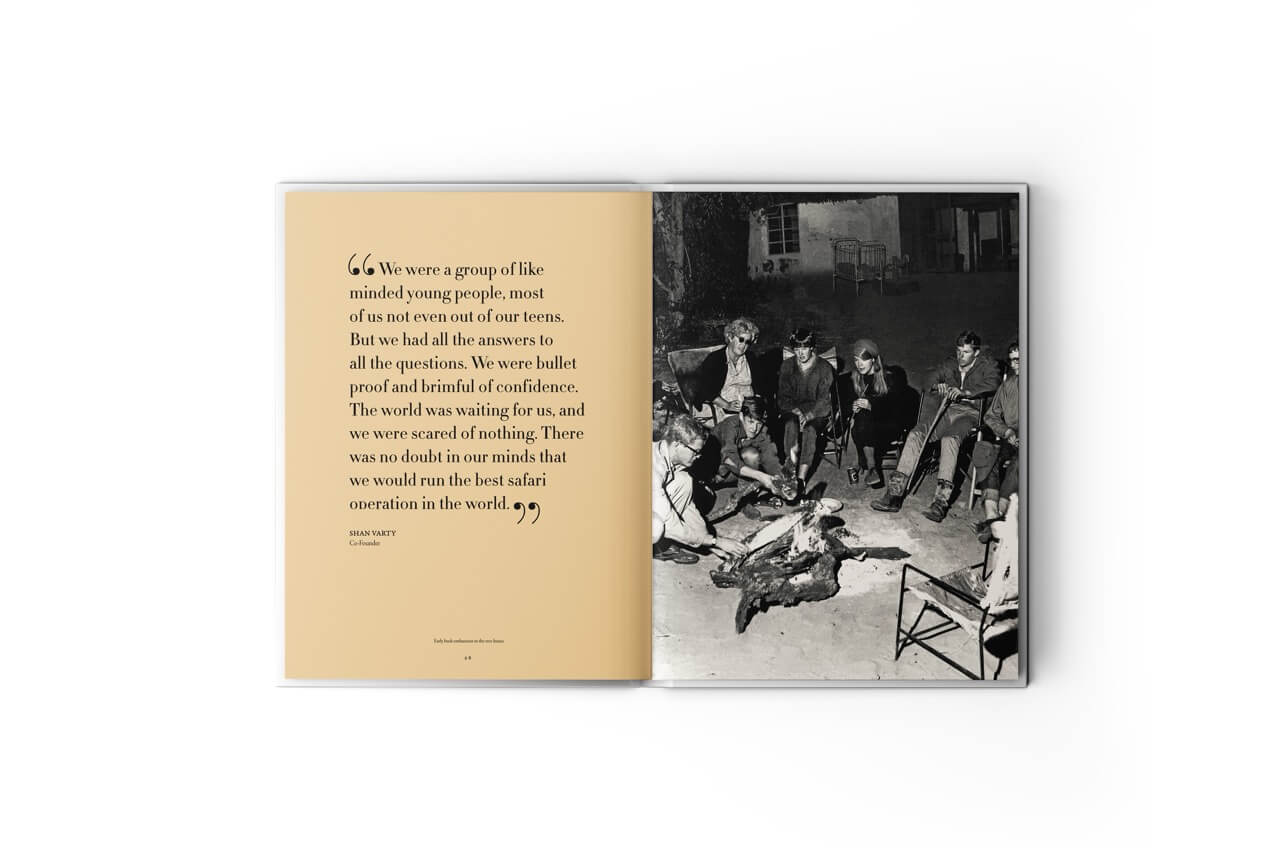
In 1926, Charles Boyd Varty arrived on the banks of the Sand River in what is now the Sabi Sand Wildtuin, on the western border of the Kruger National Park. He lit a campfire. He made a promise. And everything that followed grew from that.
The decades that came after were not easy ones. The land was hunted. The wildlife depleted. When Dave and John Varty inherited the reserve in the 1970s, they faced a choice — sell, or believe. They chose to believe. They stopped the hunting. They began the slow, painstaking work of restoration. And they dared to imagine something that did not yet exist: a model of conservation where the wild could pay for itself, where the people of the land would share in its prosperity, and where guests from around the world would come not to take from Africa, but to be changed by it.
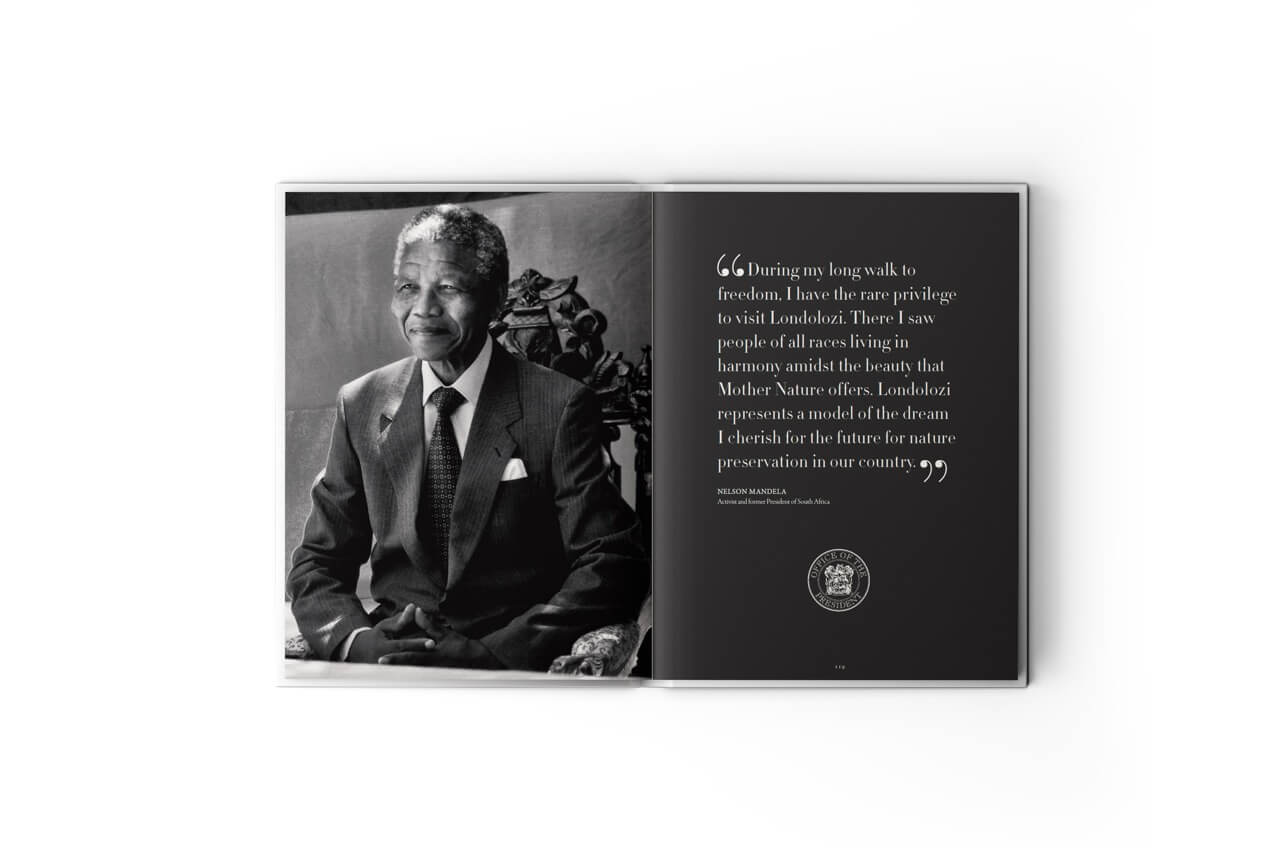
By the 1980s, the leopards had returned. By 1993, the world had taken notice — Londolozi became the first game reserve on earth to receive Relais & Châteaux status. Nelson Mandela visited and endorsed the Londolozi model as a blueprint for a democratic South Africa. The Conservation Development Model that Dave Varty pioneered went on to inspire the founding of &Beyond and Singita, and with them, a new era of African conservation.
 Today, Londolozi is home to over 280 family members and supports more than 2,800 dependents across the local community. It has helped 26,500 learners through the Good Work Foundation. It contributes 1% of annual revenue to the Ripple Fund — a conservation and community endowment that extends Londolozi’s reach across six categories of impact: Restoration, Innovation, Protection, People, Leadership, and Education.
One hundred years on, the campfire still burns. The leopards still move freely. And the promise, made in 1926, is still being kept.
Hailey Wist is a writer, editor, and producer whose work moves between culture, travel, and the human truths that live beneath the surface of both. She came to Londolozi as a guest. She left as something harder to define.
In her own words:
It is summer in South Africa, my first visit to Londolozi. We are standing around the island in Dave and Shan Varty’s kitchen with napkins on our heads, and I am giggling so hard my head hurts. Someone turns up the volume on Fleetwood Mac’s ‘Everywhere’ and, just like that, dinner is abandoned. The Vartys brew a strange magic. Londolozi is, in short, indescribable. The first time I saw a leopard on an afternoon game drive, some shored-up, brittle thing in me broke and I burst into tears. And when I told Bron Varty about this, she just smiled and nodded. When I talk to Boyd about his childhood, he is nearly out of his seat, storytelling with a kind of exuberant physicality that quite captivates his listener. But when you reach back a bit further and ask him about the origin stories, he gets a bit dreamy-eyed, reverent. It’s the lore of his childhood — the years when Londolozi was still a quixotic dream.
Hailey Wist
That quality of seeing — the capacity to be changed by a place, and to render that change in language — is exactly what this book required. Hailey Wist brought it in full.
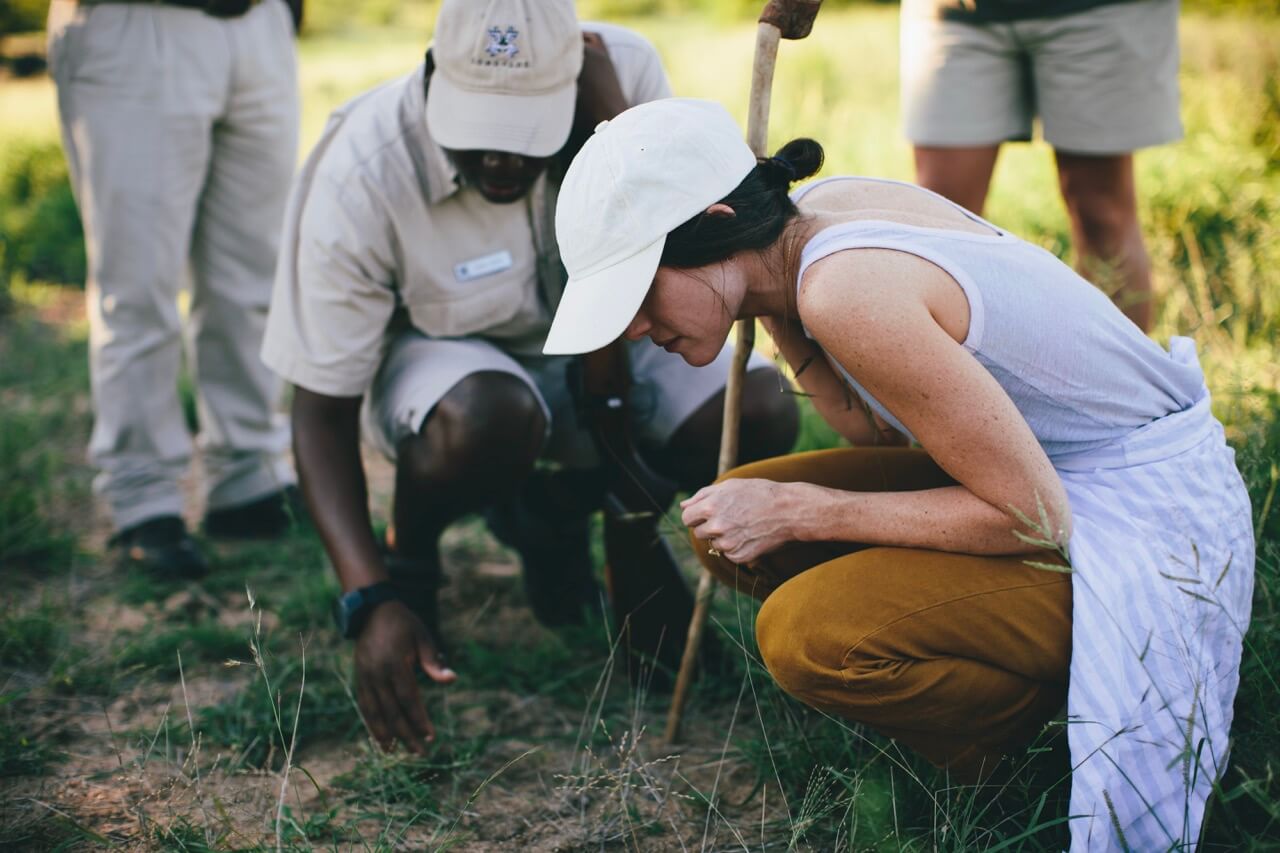
Hailey Wist is a writer, editor, and producer whose work moves between culture, travel, and the human truths that live beneath the surface of both. She came to Londolozi as a guest. She left as something harder to define.
Every photograph in this book was taken by someone who belongs to Londolozi: current and past guides, family members, and the wider community who have walked this land across a century. These are not stock images of Africa. They are the specific, earned images of people who know where the leopard walks at dusk, which bend in the Sand River the elephants favour at dawn, and what the Londolosi looks like when the first summer rains arrive.
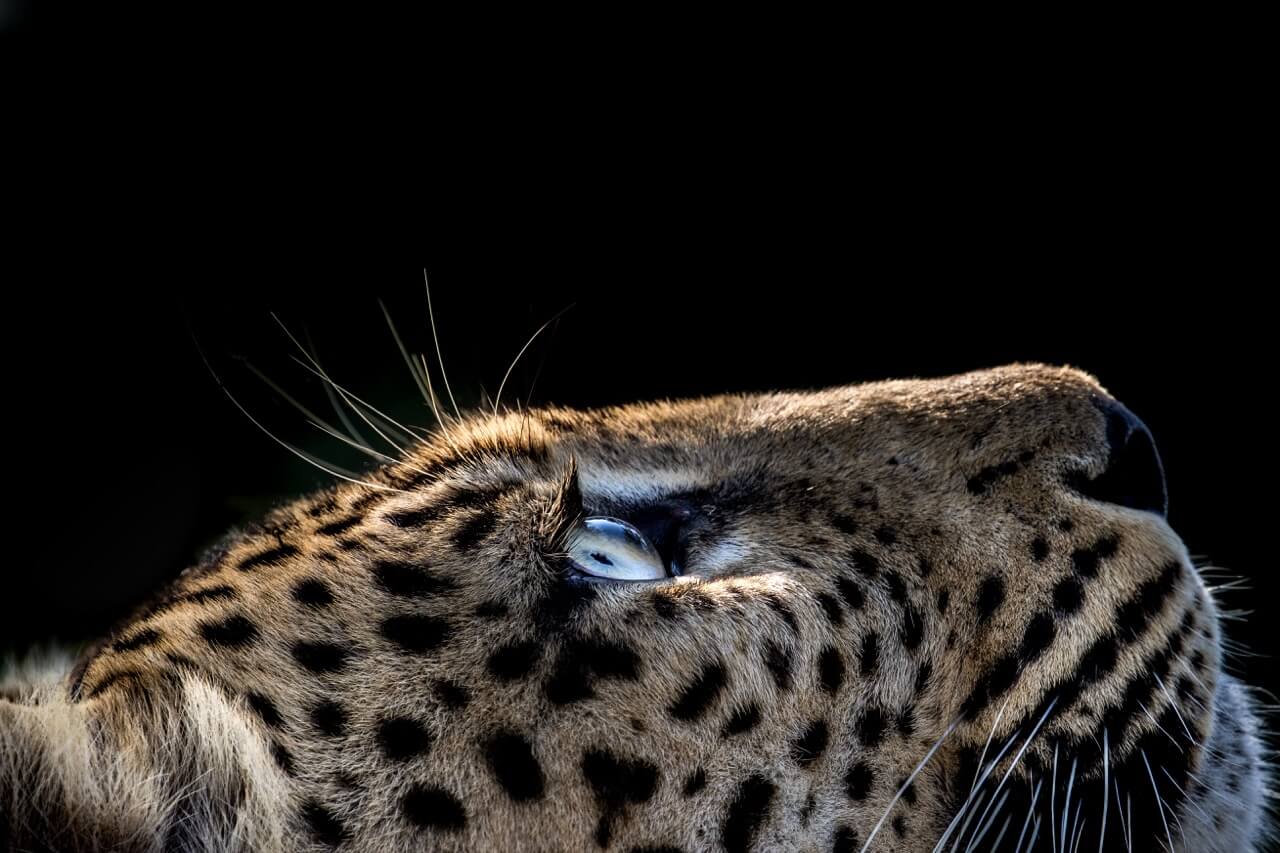
The result is a visual record that no outside photographer could replicate — not because of technical skill, but because of time. Because of belonging. Because of the hundred years of eyes that have watched this land, loved it, and learned its rhythms.
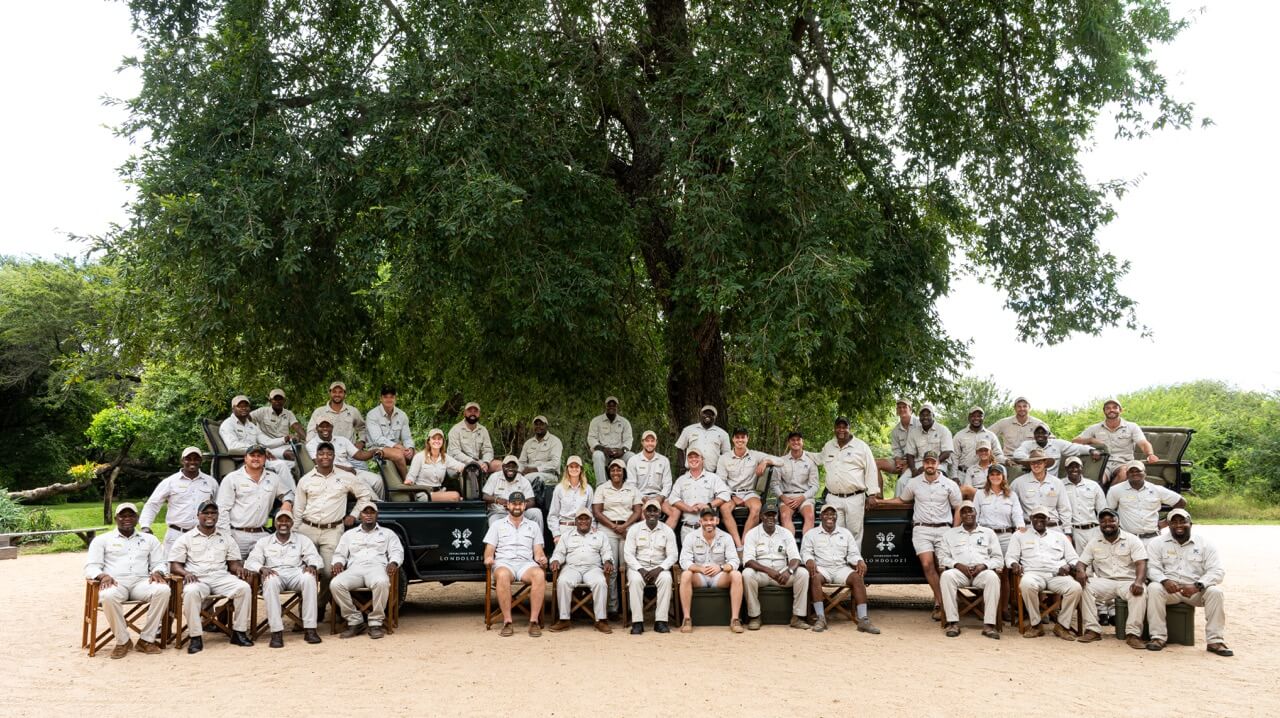
All photography is the original work of Londolozi guides, family members, and the extended Londolozi community.